


• Case ID: #06
  • Primary Personality Archetype: 🌱 The Steward (Rigidity Bias)
  • Systemic Risk: Testamentary Inconsistency (Informal Document Contagion)
  • Financial Impact: Total Dissolution of Family Business / $1.2M in Legal Fees.
  • Jurisdiction: Federal / National (Australian Succession Law)
  • Verification: Supreme Court Probate Audit / Registry Archive #06
Reading Time: 2 minutes

The Queen's Ink: The Sovereign Signature Trap

'She believed her signature was a final act of grace, but it was actually a catalyst for chaos.'

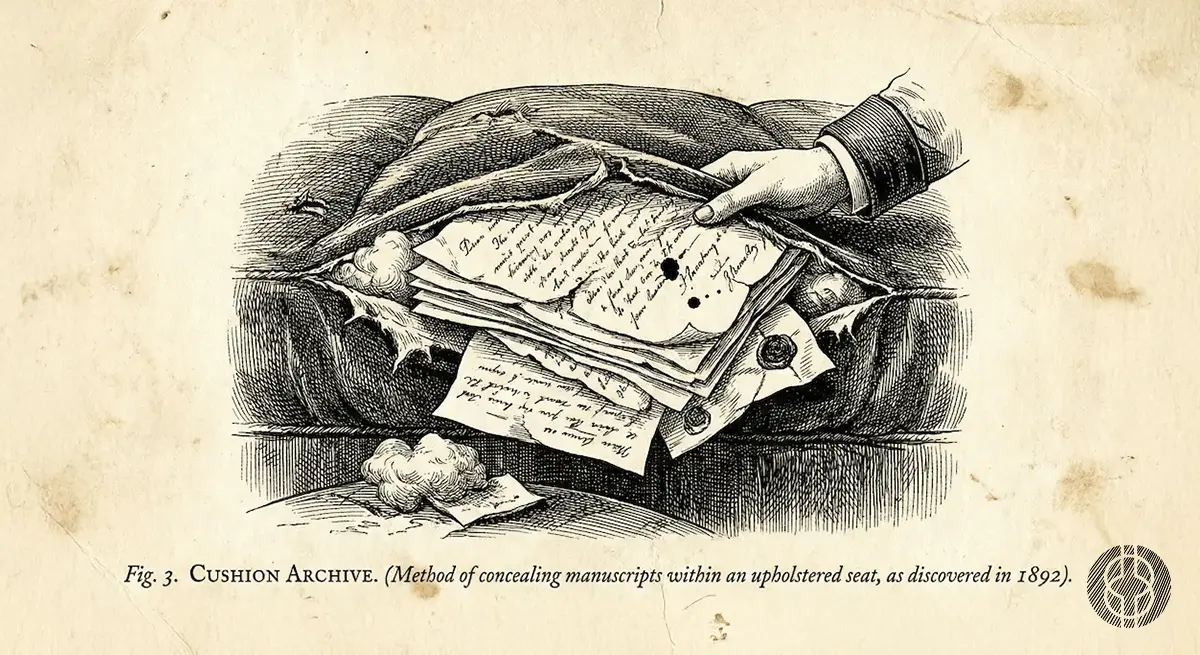
An matriarch of a significant family business in Melbourne spent her final years attempting to 'keep the peace' among four headstrong children. She was 'The Queen': the emotional and legal anchor of the lineage. Fearing that a formalised succession plan would cause immediate conflict, she chose to use 'The Queen's Ink' to sign a series of informal, conflicting promises in private letters to each child, promising them different 'crown jewels' of the estate to ensure their loyalty while she was alive.

The sting: Upon her passing, the children presented their 'private decrees', only to find they were legally irreconcilable and had no standing against the formal Will she had signed twenty years earlier. The 'peace' she tried to buy with her signature was replaced by a decade of Supreme Court litigation.

The family business was sold to pay the legal fees, and the four children, once united under her crown, became permanent strangers: divided by the very ink she used to try and save them.

  • Clinical Mystery: Can a private letter of intent override a formal statutory Will?
  • The Human Intent: To maintain family harmony and defer conflict by making private, informal promises to different children, assuming matriarchal authority overrode the need for formal legal updates.
  • The Diagnosis: The Possession Fallacy. The parents believed their “Ownership” (The Steward) of the physical signature overrode the “Registry” (The Law).

Case File: Forensic Analysis

🔬 REGISTRY FILE: CLINICAL PATHOLOGY

The Artifact: The $30 DIY Will Kit

The Intent: To avoid the perceived harshness of legal jargon and provide emotional comfort over structural defense

The Reality: 'Legacy Entropy', where non-dispositive language is legally erased and assets are liquidated to fund litigation

Pathology: A failure of the Architect Archetype where the brain predicts safety through intent but the world executes through definitions

The Legal Reality:  Justice Hindman ruled that clear commands are required to create a binding life interest and without them the mother’s intent is legally invisible

🟢 ARCHITECTURAL PROTOCOL: SYSTEMIC FIX

The Antidote: The Dispositive Directive Protocol: replace all soft language with binding legal settle-ments and rights to reside

The Result: You transition from a 'Wishful Thinker' to a 'Sovereign Architect': you ensure your intent is a command the court must follow

The Sobering Script: 'I read about the Borbil Case: a father left his daughter a $30 wish that turned into a $109,000 eviction. I won't gamble our home on soft words. Let's look at the manual and settle our interests with certainty'


Sorry, this website uses features that your browser doesn’t support. Upgrade to a newer version of Firefox, Chrome, Safari, or Edge and you’ll be all set.

{ "@context": "https://schema.org", "@type": "BlogPosting", "mainEntityOfPage": { "@type": "WebPage", "@id": "https://sapience.com.au/resources/penny-dreadful-case-files/queens-ink-tragedy" }, "headline": "Case File 06: The Queen’s Ink Tragedy", "description": "The impact of formal legal documentation vs. informal intent in Australian estate administration.", "author": { "@type": "Person", "name": "Drew Browne", "url": "https://sapience.com.au/about/drew-browne" }, "publisher": { "@type": "Organization", "name": "Sapience Financial" }, "isPartOf": { "@type": "CreativeWorkSeries", "name": "Penny Dreadful Case Files", "url": "https://sapience.com.au/resources/penny-dreadful-case-files" }, "about": [ { "@type": "Thing", "name": "Estate Planning" }, { "@type": "Thing", "name": "Australian Law" } ], "inLanguage": "en-AU" }