


• Case ID: #11
  • Primary Personality Archetype: 🏛️ The Architect (Inflexibility Bias)
  • Systemic Risk: Legacy Entropy (Digital Asset Untraceability)
  • Financial Impact: $1.5M Asset Loss / Total Digital Exclusion
  • Jurisdiction: Federal / National (General Estate Application)
  • Verification: Digital Asset Forensic Audit (Registry Archive #11)
Reading Time: 3 minutes

The Digital Ghost: The Encrypted Inheritance

'He was a master of security, but his final fortress became a tomb for his family's future.'

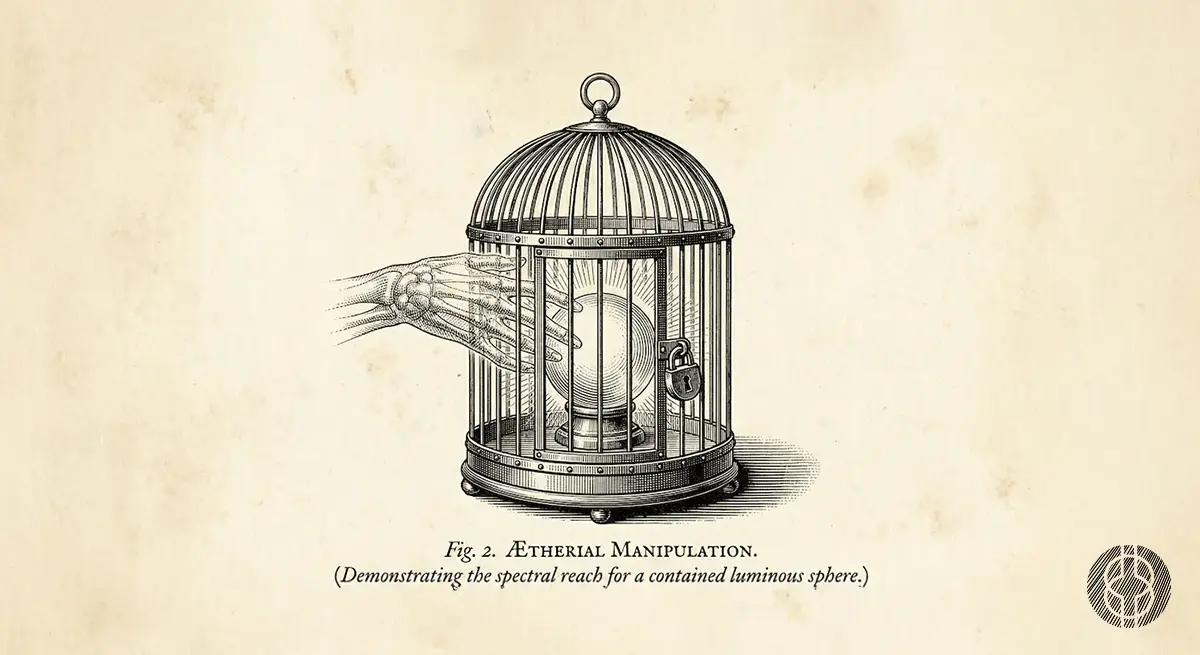
A cybersecurity consultant in Brisbane spent his career protecting the data of others. He was 'The Architect': a man who lived by the code of encryption and privacy. He moved a significant portion of his wealth into cryptocurrency and private digital vaults, believing that decentralised assets were the ultimate 'Sovereign' protection. He operated with such high-level security that even his wife did not have the login credentials for their primary business accounts or the 'Private Keys' to his digital estate.

The sting: When he suffered a sudden stroke, the 'Digital Ghost' was born. His family sat in a home filled with hardware that refused to speak. Because he had never formalised a 'Digital Access Protocol' or shared his master passwords, $1.5M in liquid assets became mathematically unreachable. The bank accounts were locked behind two-factor authentication tied to a phone they could not unlock. The 'Architect' had built a fortress so secure that not even his heirs could enter.

His legacy did not pass to his children: it simply vanished into an encrypted void, leaving his family financially stranded while staring at the screens of his silent machines.

  • Clinical Mystery: Why did a masterpiece of cybersecurity become a $1.5M tomb for his family's future?
  • The Human Intent: To maintain absolute privacy and security by maintaining total individual control over digital assets.
  • The Diagnosis: The Security Paradox. The brain's 'Security Centre' overrides the 'Legacy Centre,' treating a wall as a shield when it is actually a cage.

Case File: Forensic Analysis

🔬 REGISTRY FILE: CLINICAL PATHOLOGY

The Artifact: The Unfunded Buy-Sell Agreement

The Intent: To establish a legal exit strategy without the perceived 'waste' of capital on insurance premiums or cash reserves

The Reality: 'The Liquidity Trap', where a legal obligation to buy out a partner exists but the cash to execute the transaction is missing

Pathology: This is a failure of the Peacemaker Archetype where the brain's 'Optimism Bias' assumes the business will always have enough credit or cash flow to handle a buyout: the individual focuses on the 'Legal Form' while ignoring the 'Financial Fuel' required to make that form functional during a crisis

The Legal Reality:  Under Australian Law, a Buy-Sell Agreement is a binding contract: if a trigger event occurs, the surviving partner is legally obligated to buy the shares, and a failure to do so can lead to a breach of contract lawsuit from the outgoing partner's estate, often resulting in the forced liquidation of the company

🟢 ARCHITECTURAL PROTOCOL: SYSTEMIC FIX

The Antidote: The Funded Exit Protocol: move from 'Unfunded Liability' to 'Guaranteed Liquidity' by matching every Buy-Sell Agreement with a specific insurance policy or a legally quarantined sinking fund

The Result: You transition from 'Contractual Vulnerability' to 'Guaranteed Liquidity': you ensure your business exit is a clean transition instead of a financial collapse

The Sobering Script: 'I read about 'The Unfunded Buy-Sell'. Two partners had a great agreement, but when one got hurt, the other had to borrow $2.5M to buy him out and the debt destroyed the company. I do not want our 'exit plan' to be the reason we go broke. Let's look at the 'Manual' and make sure our agreement is fully funded so the cash is there the second we need it'


Sorry, this website uses features that your browser doesn’t support. Upgrade to a newer version of Firefox, Chrome, Safari, or Edge and you’ll be all set.