

• Case ID: #29
  • Primary Personality Archetype: 🌱 The Steward (Rigidity Bias)
  • Systemic Risk: Regulatory Contagion (Shadow Directorship)
  • Financial Impact: $1.2M Personal Asset Attachment / Professional Disqualification
  • Jurisdiction: Federal / National (Australian Corporations Law)
  • Verification: ASIC Litigation Audit / Registry Archive #29
Reading Time: 2 minutes

Case File #29: The Shadow Director

The Hidden Captain

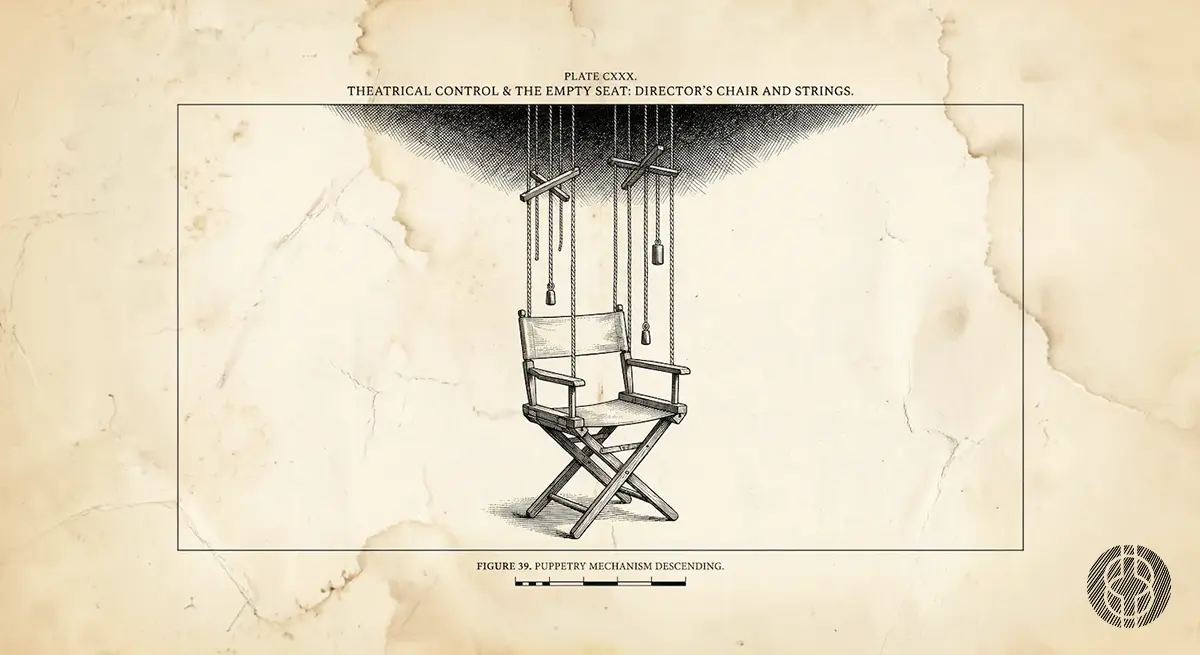
Robert 'retired' from the board, handing the reins to his son. But Robert couldn't let go. He attended every meeting, gave every instruction, and the board did exactly what he said. He thought he was safe from the company’s mounting debts because his name wasn't on the ASIC registry.

When the company collapsed into insolvency, the liquidators came for Robert. Under the law, he was a 'Shadow Director.' Because the board was 'accustomed to act' on his instructions, he carried the same personal liability as if he were still the Chairman. The court attached his personal property to settle a $1.2M debt. Robert learned that you cannot exercise power from the shadows without also carrying the weight of the consequences.

  • Clinical Mystery: Why was a 'retired' father held liable for his son’s business failure?
  • The Human Intent: To provide 'guidance' from the sidelines without being formally listed on the corporate register
  • The Diagnosis: The De Facto Trap: Liability is based on action, not title. If you pull the strings, you hold the debt

Case File: Forensic Analysis

🔬 REGISTRY FILE: CLINICAL PATHOLOGY

The Artifact: The Unfunded Buy-Sell Agreement

The Intent: To establish a legal exit strategy without the perceived 'waste' of capital on insurance premiums or cash reserves

The Reality: 'The Liquidity Trap', where a legal obligation to buy out a partner exists but the cash to execute the transaction is missing

Pathology: This is a failure of the Peacemaker Archetype where the brain's 'Optimism Bias' assumes the business will always have enough credit or cash flow to handle a buyout: the individual focuses on the 'Legal Form' while ignoring the 'Financial Fuel' required to make that form functional during a crisis

The Legal Reality:  Under Australian Law, a Buy-Sell Agreement is a binding contract: if a trigger event occurs, the surviving partner is legally obligated to buy the shares, and a failure to do so can lead to a breach of contract lawsuit from the outgoing partner's estate, often resulting in the forced liquidation of the company

🟢 ARCHITECTURAL PROTOCOL: SYSTEMIC FIX

The Antidote: The Funded Exit Protocol: move from 'Unfunded Liability' to 'Guaranteed Liquidity' by matching every Buy-Sell Agreement with a specific insurance policy or a legally quarantined sinking fund

The Result: You transition from 'Contractual Vulnerability' to 'Guaranteed Liquidity': you ensure your business exit is a clean transition instead of a financial collapse

The Sobering Script: 'I read about 'The Unfunded Buy-Sell'. Two partners had a great agreement, but when one got hurt, the other had to borrow $2.5M to buy him out and the debt destroyed the company. I do not want our 'exit plan' to be the reason we go broke. Let's look at the 'Manual' and make sure our agreement is fully funded so the cash is there the second we need it'

Sorry, this website uses features that your browser doesn’t support. Upgrade to a newer version of Firefox, Chrome, Safari, or Edge and you’ll be all set.