


• Case ID: #17
  • Primary Personality Archetype: 🏛️ The Architect (Inflexibility Bias)
  • Systemic Risk: Systemic Entropy (The Complexity Trap)
  • Financial Impact: $650,000 Forensic Accounting Fees / 3-Year Access Delay
  • Jurisdiction: Federal / National (Australian Trust Law)
  • Verification: Federal / National (Australian Trust Law)
Reading Time: 3 minutes

The Architect's Perfection: The Complexity Trap

'He built a machine that was so perfect only he could operate it, but he forgot that one day he would no longer be the operator.'

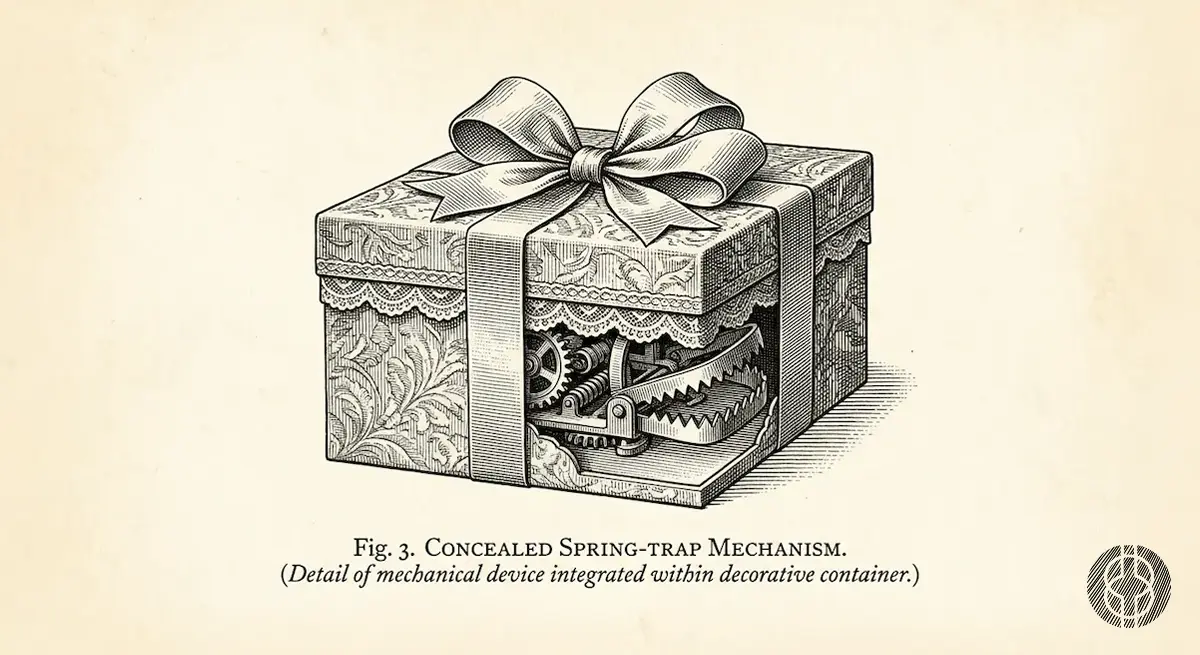
An investment banker in Sydney spent his weekends perfecting 'The Fortress', a network of interlinked family trusts and corporate entities. He was 'The Architect'. He loved the mathematical elegance of his creation, with each asset shielded by layers of cross-ownership and debt-equity swaps. He believed that his 'Perfection' made his legacy untouchable and provided the ultimate shield against any external threat.

The sting: When he passed away, his family inherited a riddle instead of a resource. The local lawyers and accountants they hired were baffled by the complexity of the inter-entity loans and circular ownership structures. Because he had never documented the 'Logic Map' of the structure, every movement of capital required a court order to clarify the legal standing of the various entities. The 'Architect' had created a system with no 'Back Door'.

His heirs spent three years and six hundred and fifty thousand dollars in forensic accounting fees just to untangle the web so they could access the properties they technically already owned.

  • Clinical Mystery: Why did the widow inherit a debt she never signed for?
  • The Human Intent: Her husband signed a guarantee for a business partner. When the husband died, the bank didn't stop - they claimed the debt against his Estate. The money meant for her retirement was used to pay off a stranger's bad business deal
  • The Diagnosis: The Survival Tax. Failing to 'Sever' the liability before the 'Event'

Case File: Forensic Analysis

🔬 REGISTRY FILE: CLINICAL PATHOLOGY

The Artifact: The Unfunded Buy-Sell Agreement

The Intent: To establish a legal exit strategy without the perceived 'waste' of capital on insurance premiums or cash reserves

The Reality: 'The Liquidity Trap', where a legal obligation to buy out a partner exists but the cash to execute the transaction is missing

Pathology: This is a failure of the Peacemaker Archetype where the brain's 'Optimism Bias' assumes the business will always have enough credit or cash flow to handle a buyout: the individual focuses on the 'Legal Form' while ignoring the 'Financial Fuel' required to make that form functional during a crisis

The Legal Reality:  Under Australian Law, a Buy-Sell Agreement is a binding contract: if a trigger event occurs, the surviving partner is legally obligated to buy the shares, and a failure to do so can lead to a breach of contract lawsuit from the outgoing partner's estate, often resulting in the forced liquidation of the company

🟢 ARCHITECTURAL PROTOCOL: SYSTEMIC FIX

The Antidote: The Funded Exit Protocol: move from 'Unfunded Liability' to 'Guaranteed Liquidity' by matching every Buy-Sell Agreement with a specific insurance policy or a legally quarantined sinking fund

The Result: You transition from 'Contractual Vulnerability' to 'Guaranteed Liquidity': you ensure your business exit is a clean transition instead of a financial collapse

The Sobering Script: 'I read about 'The Unfunded Buy-Sell'. Two partners had a great agreement, but when one got hurt, the other had to borrow $2.5M to buy him out and the debt destroyed the company. I do not want our 'exit plan' to be the reason we go broke. Let's look at the 'Manual' and make sure our agreement is fully funded so the cash is there the second we need it'


Sorry, this website uses features that your browser doesn’t support. Upgrade to a newer version of Firefox, Chrome, Safari, or Edge and you’ll be all set.